_edited.png)
Made for the Shade: Best Shrubs for Your Upstate Garden
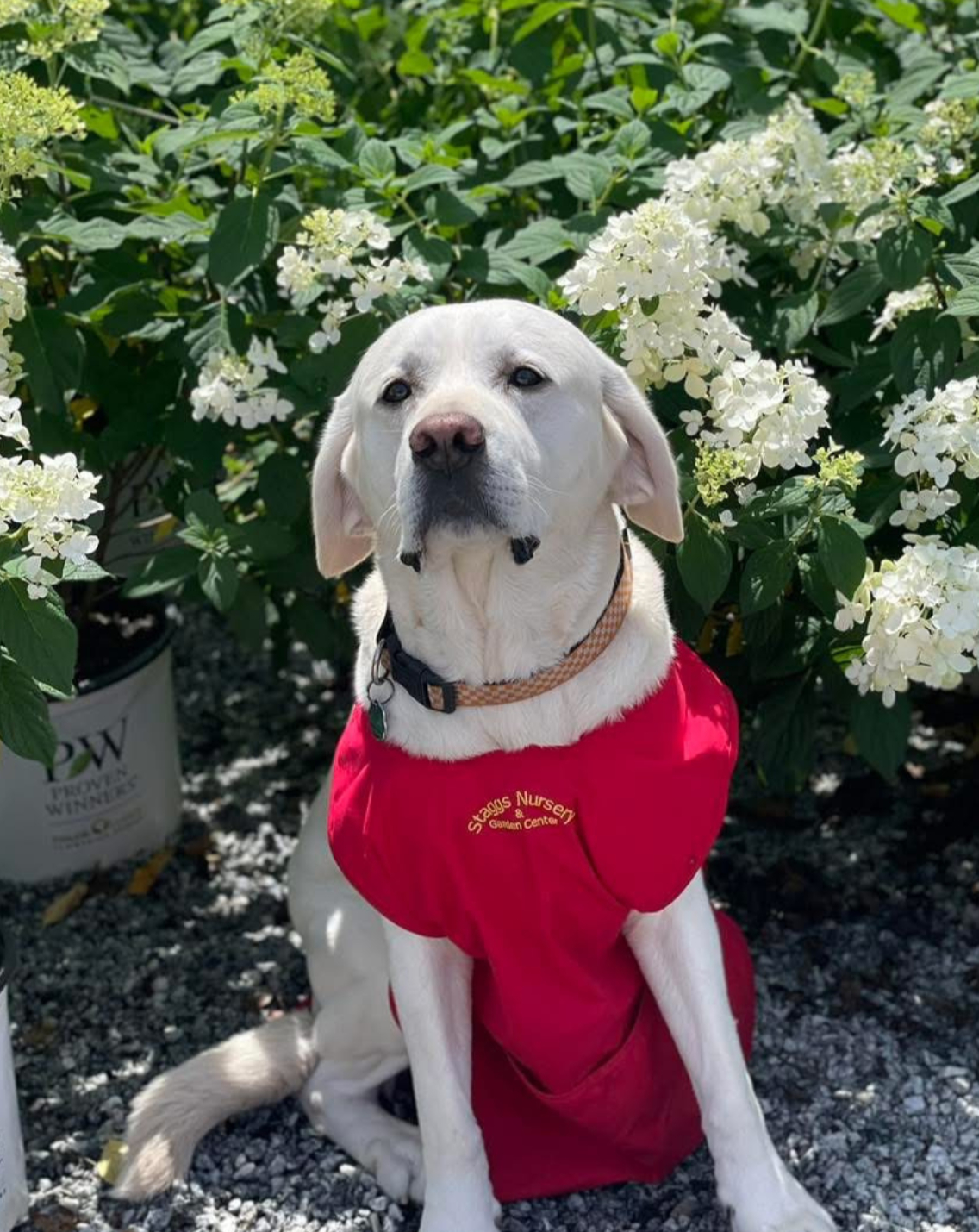
We all have that one spot in the yard—under the canopy of an old oak tree or on the north side of the house—where the grass won't grow and the sun rarely hits. In the Upstate, these shady retreats are some of our favorite places to be during a humid July, but they can be tricky to plant.
At Staggs Garden Center, we know that "shade" doesn't have to mean "bare." . Here are the most common and reliable shade-lovers for our area, and how to keep them happy in our unique South Carolina environment.
Camellias (The Queens of Winter)
Camellias are the crown jewels of the Southern shade garden. They provide glossy, evergreen foliage year-round and stunning blooms when everything else is dormant.
Camellia Sasanqua: These bloom in the fall (October–December).
Camellia Japonica: These bloom in late winter and early spring (January–March).
Oakleaf Hydrangeas
While many hydrangeas crave the sun, the Oakleaf Hydrangea is a South Carolina native that loves the forest understory. It’s a "four-season" plant: white flower panicles in summer, incredible orange-red foliage in fall, and interesting peeling bark in winter.
Fatsia Japonica
If you want a "tropical" look in a dark corner, Fatsia Japonica is the answer. It features massive, hand-shaped leaves that stay deep green all year. It’s a "tough as nails" shrub that can handle the deep shade found against brick walls or under heavy porch overhangs.
Expert Care for Your Shade Garden
Planting in the shade often means planting under large trees, which creates two challenges: heavy clay soil and root competition. Here is how to ensure your new shrubs don't just survive, but thrive.
Avoid the "Clay Pot" Effect
When you dig a hole in our Upstate red clay and fill it with loose potting soil, you essentially create a "bowl" that traps water, leading to root rot.
The Fix: Dig your hole twice as wide as the root ball, but no deeper.
Plant High: In the Upstate, we always recommend planting "high and proud." Leave about 1-2 inches of the root ball slightly above the soil line. This ensures the crown doesn't rot during our rainy spring seasons.
Feed with the Right Nutrients
Most shade-loving shrubs (especially Camellias and Azaleas) are acid-loving plants.
Fertilizer: Use a slow-release organic fertilizer like Espoma Holly-tone. It provides the extra sulfur and micronutrients needed to keep the leaves deep green and the blooms vibrant.
Timing: Feed your shade shrubs in early spring just as new growth begins, and again in late fall to help them through the winter.
Watering in the Shade
Don't be fooled—just because a spot is shady doesn't mean it's wet. Large trees often act like giant umbrellas, preventing rain from reaching the ground, while their roots "steal" moisture from your new shrubs.
Check the Soil: Stick your finger 2 inches into the soil. If it’s dry, it’s time to water.
Winter Watering: Even during the dormant season, newly planted shrubs need a deep soak once a week if we haven't had significant rain.
Product Spotlight: Daddy Pete’s Potting Mix
To give your shade shrubs the best "plant pleasing" start, we recommend Daddy Pete’s Potting Mix. This blend is specifically designed to be mixed with your native Upstate soil. It adds the organic matter and "fluff" needed to break up heavy clay, allowing those delicate new roots to spread out and find nutrients. Whether you're planting a Camellia or an Oakleaf Hydrangea, mixing in a bag of Daddy Pete’s ensures your plants have the drainage and aeration they need to survive the South Carolina heat.


Comments